
Author: Pregnant Choices

Is Surgical Abortion the Only Option for the Second Trimester?

Is Surgical Abortion the Only Option for the Second Trimester?

If you’re in your second trimester and exploring pregnancy options, you may wonder: Is surgical abortion the only choice at this stage?

The short answer is: surgical abortion is the most common abortive option offered in the second trimester, but it is not the only possibility. In some cases, doctors may use a method called induction abortion, though this is less common and usually performed in hospital settings.

It’s also important to remember that abortion is not the only path forward. Parenting and adoption remain available options for women in the second trimester.

What Is Considered the Second Trimester?

The second trimester lasts from week 13 through week 27 of pregnancy. During this time, the baby continues to grow rapidly, and many women begin to feel physical changes like increased energy, noticeable baby movements, and a growing belly.

Medical decisions made in the second trimester are often different from those made earlier in pregnancy because of how developed the pregnancy is.

Are There Abortion Options in the Second Trimester?

Most abortions that take place in the second trimester are surgical procedures. This is because abortion pills are only approved for use up to a certain point in pregnancy (typically 10 weeks).

Here’s a breakdown:

  • Abortion Pills (Medication Abortion) – Not offered in the second trimester due to safety concerns and limited effectiveness beyond the first trimester.
  • Surgical Abortion (Dilation & Evacuation, also called D&E) – The most common method used in the second trimester. This procedure requires dilation of the cervix and removal of fetal tissue through medical instruments and suction.

Some hospitals may use a process called induction abortion, where labor is medically started to deliver the baby, but this is less common and usually performed for medical reasons.

Important Considerations in the Second Trimester

By the second trimester, decisions become more complex. Some things to keep in mind include:

  • State Laws and Limits – Many states restrict abortion after a certain number of weeks. In the state of Georgia, abortion is usually illegal after the heartbeat is detected on ultrasound (about 6 weeks), with certain exceptions in the law that allow later abortions.
  • Medical Risks – Procedures later in pregnancy may carry higher risks and require more recovery time.
  • Support and Resources – You don’t have to navigate this decision alone. Speaking with a trusted medical professional or visiting a pregnancy medical center can provide clarity.

What Are My Other Options in the Second Trimester?

If you are pregnant in the second trimester, abortion is not your only option. You may also consider:

  • Parenting – Some women choose to continue their pregnancy and raise their child with the support of family, friends, or community programs.
  • Adoption – Adoption allows you to carry the pregnancy to term while making a plan for your child’s future with an adoptive family. There are many adoption plans available, including open, semi-open, and closed adoption. We can connect you with an advocate from a licensed agency who will keep your needs and desires central to the plan.

Request a free appointment today to find support and clarity in your situation.

FAQs

Q: Can I use abortion pills in the second trimester?
A: No, abortion pills are typically only FDA-approved for up to 10 weeks of pregnancy due to complications and ineffectiveness.

Q: What is the most common second-trimester abortion method?
A: Surgical abortion (D&E) is the most common and can take up to two days to complete.

Q: Are there alternatives to abortion in the second trimester?
A:
Yes. Parenting and adoption are both options for continuing your pregnancy.

Q: How do I know how far along I am?
A:
An ultrasound is the most reliable way to confirm the stage of pregnancy. Our center offers free ultrasounds to determine fetal viability and gestational age.


How Soon Can I Take a Pregnancy Test?

How Soon Can I Take a Pregnancy Test?

If you think you may be pregnant, one of the first questions on your mind is probably: “How soon can I take a pregnancy test?” We know this is a nerve-racking time, but you are not alone as you face a potential pregnancy. The timing of when to take a pregnancy test depends on your cycle, ovulation, and the sensitivity of the test you use. While waiting can make you feel uneasy, understanding how pregnancy tests work can help you know when to test and what to do next.

How Pregnancy Tests Work

Pregnancy tests are super simple to use. They detect a hormone called human chorionic gonadotropin (hCG) in your urine. Your body produces hCG once a fertilized egg attaches to the lining of your uterus.

  • Certain pregnancy tests are sensitive enough to detect hCG a few days before a missed period.
  • Most at-home tests work best after your missed period for more reliable results.
  • To confirm your pregnancy, medical-grade tests and ultrasounds are the most accurate.

When Is the Earliest I Can Test?

According to the Cleveland Clinic, some pregnancy tests can offer an accurate test result as early as 10 days after conception. It’s important to note that accuracy is higher if you wait until the first day of your missed period. 

  • Testing too early: Try not to test before your period to avoid a false negative. Your body most likely hasn’t produced enough hCG yet.
  • Best timing: The best time to take a pregnancy test is the first day of your missed period (about 2 weeks after ovulation).
  • Most accurate: For the most accurate results, wait a few extra days after your missed period.

Why Timing Matters

While it can be tempting to take a pregnancy test first thing after thinking you could be pregnant, take a moment to consider timing. Everyone’s cycle timing is different.

If your period is irregular, it may be harder to know the best time to test. Things like stress, illness, or hormonal changes can make ovulation irregular. Since sperm can live in your reproductive tract for up to 5 days, conception can happen sooner or later than you expect. This is why testing too early can sometimes be confusing.

Schedule a free, confidential pregnancy test at our clinic today and get the clarity you need.

Pregnancy Signs: It Might Be Time to Test

Think you may be experiencing pregnancy signs or multiple signs? Early pregnancy symptoms can be similar to PMS, but some common pregnancy signs include:

  • A missed period
  • Nausea or “morning sickness”
  • Feeling unusually tired
  • Breast changes or tenderness
  • More frequent urination

If any of these symptoms are happening to you, be sure to start with a pregnancy test to get the clarity you need.

What to Do If the Test Is Positive

Seeing a positive pregnancy test result can be surreal. You could feel scared, excited, confused, or a mix of emotions at once. Wherever you are emotionally, you don’t have to figure out your next steps alone.

Your best next step is to confirm your pregnancy with an ultrasound. This will:

  • Verify your pregnancy’s viability (whether there’s a heartbeat & pregnancy is progressing).
  • Estimate how far along you are.
  • Give you important information for your next steps.

Our clinic offers free pregnancy testing and ultrasounds so you can get clear answers in a safe, confidential space.

What If the Test Is Negative?

If your test is negative but you still don’t get your period, try retesting in a few days. Your hormone levels typically rise quickly in early pregnancy, so waiting even 2–3 days can make a difference.

If you continue to miss your period, experience pregnancy symptoms, and get negative test results, talk with your medical provider or our clinic to figure out what’s going on.

The Emotional Side of Waiting

Waiting for test results is not easy and especially if pregnancy wasn’t part of your plan right now. It’s okay to feel anxious, impatient, and uncertain. Getting support during this waiting period can help you feel less alone and more at ease.

Next Steps

If you think you might be pregnant, the best step is to:

  1. Take a pregnancy test after your missed period.
  2. Confirm your home pregnancy test result with a medical professional or free testing at our clinic.
  3. Schedule an ultrasound for confirmation and more details about your pregnancy.

Take it one day at a time. Contact us today to schedule your free pregnancy test and learn more about your options in a safe, supportive environment.

FAQ: Pregnancy Testing

Q: How soon can I take a pregnancy test after sex?
A: Most pregnancy tests detect pregnancy about 10–14 days after sex, but waiting until the first day of your missed period gives the most reliable result.

Q: Can I test positive before my missed period?
A: Yes, but it’s typically less reliable. Some early-detection tests may show results a few days before your period, but false negatives are common.

Q: What if I have irregular cycles?
A: If your periods are irregular, it’s harder to know when to take a pregnancy test. If you have an irregular period, taking a test about 3 weeks after unprotected sex is a good rule of thumb.

Q: What if I’m too nervous to test alone?
A: It’s very normal to feel anxious and nervous about taking a pregnancy test. You don’t have to do it alone – our clinic offers free pregnancy testing and support.

Can You Get Pregnant Right After Your Period?

Can You Get Pregnant Right After Your Period?

Yes, you can get pregnant right after your period, even though it’s less common. The timing of ovulation varies from woman to woman, and sperm can survive in the body for several days. If you have sex during or soon after your period and ovulate early, sperm can fertilize your egg and cause pregnancy. Pregnancy after your period is possible, though less likely than during your fertile window.

Understanding how your cycle works is not always easy, but learning the timing of your unique fertile window can help you make informed decisions for your future.

How Ovulation Timing Affects Pregnancy Risk

There are four main phases of your menstrual cycle: menstruation (your period), the follicular phase, ovulation, and the luteal phase. According to the  Mayo Clinic, you are most likely to get pregnant during ovulation, when your ovary releases an egg. The timing of ovulation varies from woman to woman, and tracking your ovulation timing can help you better understand your risk of pregnancy.

If your cycle is irregular, tracking ovulation can be challenging. Factors like stress, illness, or hormonal changes can cause your ovulation cycle to come earlier or later than expected. Sperm can live in your reproductive tract for up to 5 days. If you ovulate sooner than expected, sperm from intercourse right after your period could still be alive when your egg is released, making pregnancy possible. 

You can track your ovulation with tools like basal body temperature, cervical mucus observation, or ovulation predictor kits, which can give you more clarity about your fertile window. 

Signs You Might Be Pregnant

Are you worried that you may be unexpectedly pregnant? According to the Cleveland Clinic, common early pregnancy signs include:

  • A missed period
  • Frequent urination 
  • Feeling tired/fatigued
  • Morning sickness
  • Sore (and swollen) breasts

Pregnancy symptoms vary from woman to woman. Some women notice early pregnancy signs within a week or two after conception, while others may not feel changes until after a missed period. It’s important to pay attention to your body and confirm pregnancy with a reliable test if you notice signs. 

How to Confirm Pregnancy

We know how overwhelming taking a pregnancy test can feel. You are not alone. Start with an at-home pregnancy test from your local drugstore. Pregnancy tests detect the presence of human chorionic gonadotropin (HCG) in your urine, which your body produces during pregnancy.

For the most accurate results, take a pregnancy test after your missed period and first thing in the morning, when your urine is most concentrated. If your pregnancy test is positive, schedule an ultrasound to confirm how far along you are, check for a viable pregnancy, and determine your next steps. 

What to Do If You’re Pregnant

Once you confirm you’re pregnant, learn about all your pregnancy options and receive additional support from a trusted medical professional at our center. We’re here to help. 

Schedule a free consultation at our center today to confirm your pregnancy and learn about your pregnancy options. We’re here to support you with confidential help.

FAQ: Getting Pregnant Right After Your Period

Q: Can I get pregnant if I’ve had sex right after my period?
A: Yes, it’s possible – though not as common as during your fertile window. If you ovulate earlier than average or have a shorter menstrual cycle, sperm from intercourse right after your period could still be present when your egg is released. Since sperm can survive in your body for up to 3–5 days, even a few days’ difference in timing can make pregnancy possible.

Q: How soon after my period should I take a pregnancy test?
A: For the most accurate pregnancy test results, wait until at least the first day of your missed period, which is usually about 2 weeks after ovulation. 

Taking a test too early can give a false negative because your body might not have enough hCG (the pregnancy hormone) for the test to detect yet. If you’re unsure about your cycle timing, waiting a few extra days or retesting can help confirm your result.

Q: Can irregular periods make pregnancy more likely right after my period?
A:
Irregular cycles can make it harder to predict when you’ll ovulate, which means your fertile window might come sooner or later than expected. If ovulation happens earlier in your cycle, there’s a greater chance that sex right after your period could result in pregnancy. Tracking your cycle with tools like basal body temperature, cervical mucus changes, or ovulation tests can give you more clarity over time.

Q: Is it normal to feel anxious about getting pregnant after my period?
A:
Most definitely. It’s very normal to feel worried, uncertain, or even scared about a potential pregnancy. Your feelings are valid. If you’re concerned, talk to a trusted friend, medical professional, or visit a pregnancy center that can offer you accurate information, emotional support, and clarity about your options moving forward.

Q: Where can I get free pregnancy testing?
A: Many local pregnancy centers offer confidential, no-cost pregnancy testing, ultrasounds, and other pregnancy services.

Does Plan B Ever Fail?

Does Plan B Ever Fail?

Plan B is commonly used after unprotected sex, but it’s not foolproof. Its effectiveness depends on several key factors—including timing, body weight, and whether you’ve already ovulated. Understanding how Plan B works and when it’s most effective can help you make informed choices.

What Is Plan B and How Does It Work?

Plan B, also called the “morning after pill,” is an over-the-counter emergency contraceptive. It contains levonorgestrel, a synthetic hormone (progestin) that works primarily by preventing or delaying ovulation—so that sperm doesn’t have an egg to fertilize.

Important: Plan B is not the abortion pill. It does not end an existing pregnancy.

Can Plan B Fail?

Yes. Plan B doesn’t always work. Here’s why:

1. You’ve Already Ovulated

Plan B won’t stop a pregnancy if ovulation has already occurred. That’s why tracking your menstrual cycle is so important—especially if you rely on timing-based contraception.

2. Body Weight May Affect Absorption

Studies show Plan B may be less effective in women over 175 lbs. This doesn’t mean it won’t work at all—but effectiveness may drop due to lower absorption.

3. Medications

Medications, such as St John’s Wort, or seizure medications that can interact with Plan B, making it less effective.

Learn more from the about factors that affect Plan B’s performance.

What Are the Common Side Effects of Plan B?

Most side effects are mild and go away within a few days. You might experience:

  • Nausea or cramping
  • Fatigue or headache
  • Breast tenderness
  • Irregular bleeding
  • Changes in your next period

What Should I Expect After Taking It?

Your period might come earlier or later than usual. If it’s more than 7 days late, consider taking a pregnancy test.

Unusual symptoms like severe pain or heavy bleeding could be signs of something more serious—such as an ectopic pregnancy. Contact your healthcare provider if anything feels off.

Final Thoughts: Is Plan B Reliable?

Plan B is an emergency option—but it’s not 100% effective. Here’s what matters most:

  • Time is a factor
  • Know your ovulation window
  • Understand how your weight might affect it
  • Always consult a medical provider if you’re unsure

Need Someone to Talk To?

If you have questions about Plan B, your options, or your next steps—we’re here for you. Our licensed medical team offers free, confidential consultations in a judgment-free environment.

Schedule a free appointment today

FAQs: Plan B & Emergency Contraception

Q: Is Plan B the same as the abortion pill?
A:
No. Plan B prevents pregnancy before it starts. It does not end a pregnancy that’s already begun.

Q: Can I take Plan B more than once?
A:
Yes, but it’s not recommended as a regular form of birth control. Talk to your provider about better long-term options.

Q: Does Plan B work during ovulation?
A:
It’s less effective or may not work at all if you’ve already ovulated.

Q: Is there a weight limit for Plan B?
A:
There’s no strict cutoff, but effectiveness may decrease if you weigh over 175 lbs.

How Can I Manage My Anxiety During Pregnancy?

How Can I Manage My Anxiety During Pregnancy?

It’s normal to feel anxious during pregnancy—especially with the physical, emotional, and lifestyle changes you’re experiencing. But anxiety doesn’t have to control your pregnancy journey. With the right tools and support, you can find peace and balance during this important time.

What Causes Anxiety During Pregnancy?

Pregnancy anxiety can stem from hormonal changes, past experiences, or concerns about labor, parenting, or health. For some women, fear of miscarriage, financial stress, or relationship strain can also play a role.

If you’ve had anxiety in the past, you may be more likely to feel it now. But even women without a history of anxiety can experience it during pregnancy.

Studies show that up to 1 in 5 women experience some form of anxiety during pregnancy.

Signs You Might Be Struggling with Anxiety

It’s important to recognize when your feelings may be more than just “normal stress.” Some signs include:

  • Constant worry you can’t control
  • Feeling overwhelmed by everyday decisions
  • Trouble sleeping
  • Rapid heartbeat or shortness of breath
  • Difficulty concentrating

If you’re experiencing several of these symptoms, you’re not alone—and help is available.

How to Manage Pregnancy Anxiety in Healthy Ways

1. Talk to Someone You Trust

Sometimes, just saying it out loud makes a difference. Talk with your partner, a friend, or a pregnancy counselor. A compassionate listener can ease your fears and help you feel less alone. If you need support, our center offers free, confidential help for expecting and new moms. 

2. Practice Calming Techniques Daily

Small routines can lower anxiety over time. Try:

  • Deep breathing
  • Prayer or meditation
  • Gentle stretching or prenatal yoga
  • Walking
  • Journaling

The Mayo Clinic recommends these stress-reduction techniques as safe and effective during pregnancy.

3. Limit Exposure to Triggers

Turn off the news. Take a break from social media. Surround yourself with voices that build you up, not wear you down. Make space in your day for quiet, even if it’s just 10 minutes.

Caffeine, sugar, processed carbohydrates, artificial additives and lack of protein can negatively affect your mental and physical health, so find room in your diet for whole foods.

4. Create a Simple Plan

Much of anxiety comes from the unknown. Creating a simple plan for your prenatal care, delivery preferences, or even daily routines can help reduce stress and give you a sense of control.

5. Know When to Ask for Help

If your anxiety is getting in the way of daily life, don’t wait. Pregnancy mental health matters. Ask your OB-GYN or midwife for a referral, or reach out to a licensed counselor.

If you’re currently taking medication for anxiety, don’t stop or adjust your medication without speaking to your provider. Some medications can be safely continued, while others may need to be changed. Your doctor can guide you through the best options to support both your mental health and your baby’s development. You don’t have to choose between your well-being and your pregnancy—there are ways to care for both.

You Don’t Have to Go Through This Alone

If you’re feeling overwhelmed, our team is here to help. We offer confidential pregnancy consultations where you can talk through your situation, ask questions, and get support—all at no cost to you.

Schedule a free appointment today

FAQ: Pregnancy Anxiety

Q: Is it normal to feel anxious all the time during pregnancy?
A:
Occasional worry is normal, but if anxiety is persistent and affecting your life, it’s worth getting help.

Q: Can anxiety harm my baby?
A:
High stress over time can impact your baby’s development. That’s why managing anxiety early is so important—for both of you.

Q: Are there natural ways to reduce anxiety without medication?
A:
Yes! Breathing exercises, support groups, journaling, and gentle movement are all safe options.

Q: Should I tell my doctor about my anxiety?
A: Absolutely. Your provider can help you explore safe treatment options or refer you to a mental health professional.

Q: What if I’m already on anxiety medication?
A: Never stop medication without guidance. Talk to your doctor about what’s safe during pregnancy.

Do Breasts Hurt in Early Pregnancy?

Do Breasts Hurt in Early Pregnancy?

If that tight hug you got yesterday made you say “Ouch!” instead of “Aww,” you’re not imagining things. Yes, breast pain is a common early sign of pregnancy. It might feel confusing or even alarming — especially if the pregnancy was unexpected — but you’re not alone in wondering what’s going on.

Why Do Breasts Hurt in Early Pregnancy?

Breast tenderness or soreness is often one of the first symptoms of pregnancy. When a fertilized egg implants in the uterus, your body starts ramping up hormone production — and your breasts respond quickly.

Hormonal Changes:

  • Estrogen and progesterone surge, prompting breast tissue to prepare for possible breastfeeding.
  • Prolactin, a hormone from the pituitary gland, increases to stimulate milk gland development.

These changes can lead to tenderness, swelling, or a tingling sensation in your breasts and nipples — sometimes even before you miss your period.

What Other Breast Changes Can Happen in Early Pregnancy?

Along with soreness, you might notice some physical changes in your chest over time:

  • Growth of one or more cup sizes
  • Darkening or enlargement of your areolas (the circles around your nipples)
  • More visible veins

These signs are all typical and are your body’s way of preparing — even if you’re not sure what the future holds yet. You may feel like your body is changing faster than your mind can keep up, and that’s completely normal.

How Can I Ease Breast Pain in Early Pregnancy?

If your chest feels uncomfortably sore, there are a few things that might help bring relief:

  • Apply cool compresses like a cold washcloth or ice pack during rest
  • Wear a supportive, well-fitting bra (even while sleeping, if helpful)
  • Avoid tight clothing. Instead opt for looser tops that don’t press on your chest
  • Apply an ice pack to your breasts can help relieve swelling and pain by temporarily reducing blood flow and dialing down nerve activity in the area

Even small changes can make a big difference when your body is adjusting so quickly.

Feeling Overwhelmed? You’re Not Alone

It’s completely understandable to feel unsure or even scared if you think you might be pregnant — especially if you didn’t plan for it. When your body starts sending signals like sore breasts, it can bring up a lot of emotions.

At our center, we provide free pregnancy testing, education, and support in a safe, pressure-free environment. You don’t have to figure this out alone. Whether you’re looking for next steps or just someone to listen to, we’re here for you.

FAQs

Q: Is breast pain a reliable sign of pregnancy?
A:
It can be — but it’s not definitive. Sore breasts can also happen due to hormone fluctuations before your period. A pregnancy test is the only way to know for sure.

Q: When does breast pain start in pregnancy?
A:
Breast tenderness can begin as early as one to two weeks after conception, sometimes before a missed period.

Q: How long does breast pain last in early pregnancy?
A:
For many, it lasts through the first trimester, but everyone is different. Some find relief sooner, while others notice changes throughout their pregnancy.

Can You Have Unprotected Sex During Ovulation and Not Get Pregnant?

concerned woman

If you’ve ever wondered whether it’s possible to have unprotected sex during ovulation and not get pregnant, you’re not alone. It’s a common and valid question—especially for those trying to understand their fertility, prevent pregnancy, or plan for the future.

The truth is, yes, it is possible to have unprotected sex during ovulation and not become pregnant. However, it’s important to understand that the likelihood of pregnancy is significantly higher during this time.

Ovulation is when an egg is released from the ovary and is most available for fertilization. Sperm can live inside the reproductive tract for up to five days, which means unprotected sex before, during, or shortly after ovulation can lead to pregnancy.

Still, several individual factors can affect fertility, such as:

  • Age
  • Hormonal balance
  • Weight and nutrition
  • Exercise and stress levels
  • Smoking or alcohol use
  • Genetic factors

If you’re trying to avoid pregnancy, the safest approach is to avoid unprotected sex altogether. But if you’re simply looking to understand your body better, it’s helpful to learn about your unique cycle, and when pregnancy is most likely—and when it’s less so.

At Pregnant Choices, we offer free educational resources and a safe place to ask questions about reproductive health and fertility.

Fertility Rates Throughout the Menstrual Cycle

Pregnancy is most likely to occur in the days leading up to and including ovulation. Here’s a breakdown of estimated chances of pregnancy based on timing:

  • 3 days before ovulation: 27%
  • 2 days before ovulation: 33%
  • 1 day before ovulation: 41%
  • Day of ovulation: 20%
  • 1 day after ovulation: 8%

(Source: FertilityFriend)

Tracking your ovulation cycle can give you insight into your fertile days, giving you agency over deciding when to have intercourse. Whether you want to conceive or want to avoid pregnancy, knowledge of your unique cycle can increase the chances of avoiding or conceiving. Keep in mind that even during the most fertile window, pregnancy is not guaranteed—and that’s completely normal.

How Age Affects Fertility

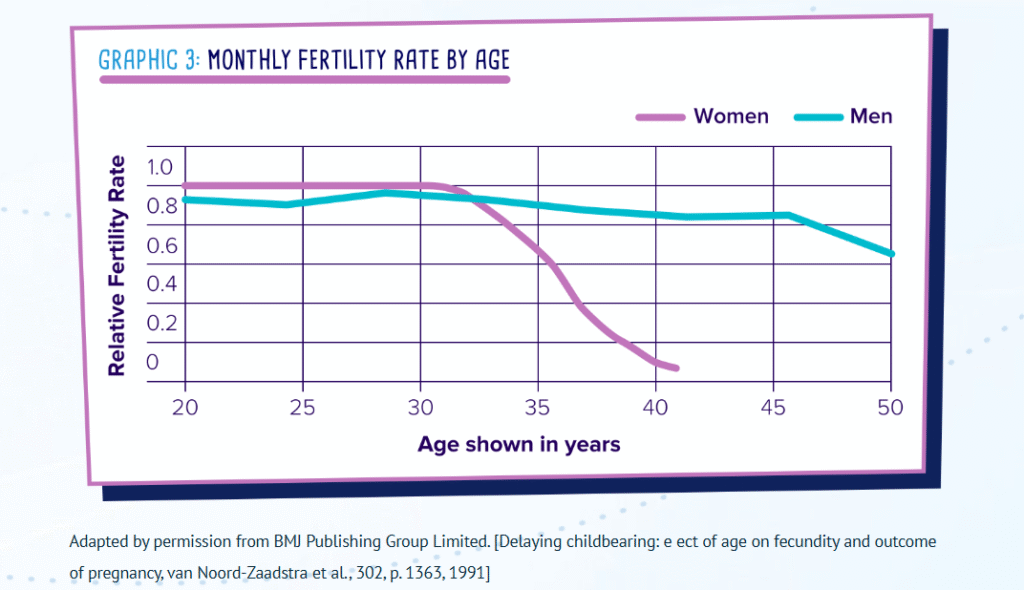
Fertility naturally decreases with age. According to the British Fertility Society, fertility starts to decline more rapidly after age 32. This means that unprotected sex becomes less likely to result in pregnancy as age increases, but the possibility is still there.

Understanding your personal fertility can help guide your decisions. If you have questions about fertility testing or tracking, we’d be happy to help you explore your options.

Common Pregnancy Misconceptions

Some people believe that pregnancy can’t happen:

  • During their period
  • If the male partner pulls out before ejaculation
  • When using certain birth control methods

However, none of these are 100% reliable. Even with birth control, there’s always a small chance of becoming pregnant. 

So, Can You Have Unprotected Sex During Ovulation and Not Get Pregnant?

Yes—it is possible. But the chances of pregnancy are highest during ovulation, and those chances can vary depending on your age, cycle regularity, and overall health.

If you’re not trying to conceive, unprotected sex always carries a degree of risk. But if you’re unsure what that means for you personally, or you’d like help understanding your fertility or prevention options, we’re here for you.

At Pregnant Choices, we offer confidential, no-cost education and support to help you make informed choices about your body and your future.

How Soon Can You Get Pregnant After an Abortion?

woman with pregnancy test

If you’re wondering when you might be able to get pregnant again after an abortion, you’re not alone—and your question is definitely valid.

An abortion ends an existing pregnancy, but it doesn’t usually change how your reproductive system works going forward. That means if you have unprotected sex after an abortion, you can become pregnant again—sometimes sooner than you might expect.

Even while you’re still recovering or experiencing symptoms like bleeding or nausea from elevated hCG levels, ovulation can occur. In fact, some medical literature suggests it’s possible to conceive as soon as five days after the procedure.

If you’re not ready to become pregnant right away, you’re always welcome at our clinic, where we provide a safe space to ask questions, explore your options, and get reliable information—all at no cost to you.

Understanding the Difference: Birth Control vs. Abortion

It’s easy to feel confused about how birth control and abortion differ, especially when you’re sorting through a lot of information. You need to understand the process of conception first. Here is a simplified explanation:

Pregnancy begins when a sperm cell fertilizes an egg, forming a zygote. This single cell carries the full set of DNA from both biological parents. The zygote travels through the fallopian tube to the uterus, where it becomes a blastocyst and implants into the uterine lining. At that point, an amniotic sac begins forming around the embryo.

Birth control works by preventing this process from starting—either by stopping ovulation, blocking sperm, or preventing fertilization.

Abortion, by contrast, ends a pregnancy that has already begun. It doesn’t stop your body from ovulating in the future, nor does it prevent sperm from reaching the egg or implantation from occurring. That’s why your fertility can return quickly after an abortion, and pregnancy may be possible within just days.

Unprotected Sex and Pregnancy Risk

Understanding how pregnancy happens can help you make informed decisions.

Unprotected sex can lead to pregnancy even when timing doesn’t seem ideal—during your period, after an abortion, or while on birth control. The chance of pregnancy varies based on individual factors like hormone levels, cycle timing, and overall health. However, it is still possible to become pregnant:

So, How Soon Can You Get Pregnant After an Abortion?

The short answer: very soon—sometimes in less than a week.

Because ovulation can return quickly, it’s important to know that unprotected sex at any time can lead to pregnancy, even shortly after an abortion. If you’re unsure about your fertility, birth control options, or next steps, we’re here to help.

At Pregnant Choices, you’ll find a judgment-free place to ask questions and get support—whatever you’re facing. All our services are offered at no cost, and you’re welcome here.

How Much Does the Abortion Pill Cost?


If you’re facing an unplanned pregnancy and considering your options, you may be wondering: How much does the abortion pill cost?

The cost of the abortion pill (also called a medication abortion) can vary depending on your location, the provider you choose, and whether or not you have insurance coverage. On average, it can cost up to $800, though in some cases it may be more or less.

Before making any decisions, it’s important to gather accurate information about the process, potential risks, and available support. At Pregnant Choices, you can meet with a licensed medical professional to talk through your options in a safe and confidential environment—at no cost to you.

What Is the Abortion Pill?

The term “abortion pill” actually refers to a two-step medication process used in early pregnancy:

Step 1: Mifepristone

Mifepristone works by blocking progesterone, a hormone needed to maintain pregnancy. Without progesterone, the pregnancy cannot continue. It typically takes up to 48 hours for this medication to take effect.

If you’ve taken mifepristone and are having second thoughts, you may be able to pursue Abortion Pill Reversal. This treatment involves taking progesterone to try to counteract the effects of mifepristone. According to studies, reversal has a 64-68% success rate, with no known increase in birth defects.

If you’re seeking help right away, call the 24/7 hotline at 1-877-558-0333 to speak with someone who can guide you. You can also visit: https://www.abortionpillreversal.com/

Step 2: Misoprostol

After mifepristone, a second medication called misoprostol is taken, usually within 24–48 hours. Misoprostol causes the uterus to contract and expel the pregnancy.

This stage often involves:
– Heavy bleeding
– Blood clots
– Cramping
– Tissue passing (sometimes described as “lemon-sized”)

Side effects may include chills, fever, nausea, or vomiting. If symptoms like vomiting, diarrhea, or fever persist beyond 24 hours after taking misoprostol, it’s important to contact a medical provider.

Are There Free Resources for Me?

Yes—there are completely free services and resources available if you are pregnant and unsure of your next steps.

At Pregnant Choices, all of our services are provided at no cost and include:
– Pregnancy testing
– Limited obstetric ultrasounds
– Education on your options
– STI testing and treatment for Chlamydia, Gonorrhea, and Trichomoniasis
– Post-abortion assessment and counseling
– Support resources for new or expectant parents
– Referrals for other community resources, such as healthcare, housing, food, and more

Request an appointment today. Our  licensed medical professionals will confirm your pregnancy and walk with you through your options with compassion and respect. You are not alone, and you don’t have to navigate this decision without support.

So, What’s the Bottom Line?

The abortion pill can cost up to $800, depending on where you go and whether insurance is involved. But financial cost isn’t the only factor to consider. Knowing what to expect, understanding your choices, and having caring support can make a huge difference.

We’re here to offer medically accurate information, confidential care, and emotional support—at no cost to you.

👉 Schedule a free appointment today.

What Are the Potential Complications of Abortion?


Abortion is a deeply personal and often complex decision. If you’re considering this option, it’s essential to have accurate medical information and caring support to make the best decision for your health and future. At Pregnant Choices, we offer no-cost ultrasounds, consultations, and support so you can learn about your pregnancy and understand all your options without pressure.

In this article, we’ll walk through the possible complications of both chemical and surgical abortion procedures, as well as the emotional impact some women experience afterward.

Why an Ultrasound Matters First

Before making a decision, it’s important to confirm the location and gestational age of your pregnancy. This can only be accurately determined by an ultrasound.

At Pregnant Choices, we provide free ultrasounds for this purpose. This important step helps you and your healthcare provider determine which procedures may be available—and what risks may be associated with each.

Complications of Chemical Abortion (The Abortion Pill)

A chemical abortion, often referred to as the abortion pill, involves two medications: mifepristone (Mifeprex) and misoprostol. Mifepristone blocks the hormone progesterone, and misoprostol causes the uterus to contract and expel the pregnancy.

According to the FDA’s label for Mifeprex, possible complications include:

  • Heavy bleeding
  • Infection or sepsis
  • Uterine rupture
  • Complications from ectopic pregnancy
  • In rare cases, death

Clinical trials reported that serious adverse events occur in fewer than 0.5% of women. However, a 2023 analysis of over 154,000 chemical abortions found that 11.2% resulted in serious complications —suggesting the need for more transparency and awareness.

If you’ve taken the first pill and are unsure about continuing, Abortion Pill Reversal (APR) may be possible. This involves progesterone therapy and has a 64–68% success rate when started promptly. For immediate support, call the 24/7 APR Hotline at 1-877-558-0333.

Complications of Surgical Abortion (Dilation and Evacuation – D&E)

Surgical abortion, specifically Dilation and Evacuation (D&E), is generally performed during the second trimester and involves dilating the cervix and removing the fetus from the uterus.

Risks associated with surgical abortion may include:

  • Cervical injury
  • Heavy bleeding
  • Infection
  • Incomplete removal of pregnancy tissue
  • Uterine rupture or perforation

Although many women undergo surgical abortion without immediate complications, the risk can increase with gestational age and previous abortions. A comprehensive review by the National Library of Medicine found that multiple D&E procedures may raise the risk of very pre-term birth (before 28 weeks) in future pregnancies.

Emotional Effects After Abortion

In addition to physical health risks, some women experience emotional side effects following abortion. Feelings such as grief, sadness, regret, loss and depression can arise—sometimes immediately, and sometimes much later.

Our clinic offers post-abortion emotional support and counseling at no cost. You don’t have to carry these feelings alone—healing is possible, and help is available.

We’re Here for You

Making a decision about abortion can be difficult, especially when you’re overwhelmed by conflicting information. At Pregnant Choices, we provide free, confidential support so you can explore your options in a safe, judgment-free space.

📅 Schedule a free ultrasound and talk with a licensed medical professional today.